Real IT answers for growing businesses.
Looking for blog posts that answer real IT questions?
Every post gives you clear, practical guidance — from solving everyday IT issues to getting more out of Google Workspace. Kimbley IT’s blogs are jargon-free, easy to follow, and written to help your team work smarter with technology.
How to check if your business emails are on the dark web.
Google has discontinued its Dark Web report, leaving many business owners vulnerable. Discover the best free alternative to check if your team's passwords have been stolen and learn the three-step "security hygiene upgrade" to lock down your company data for good.
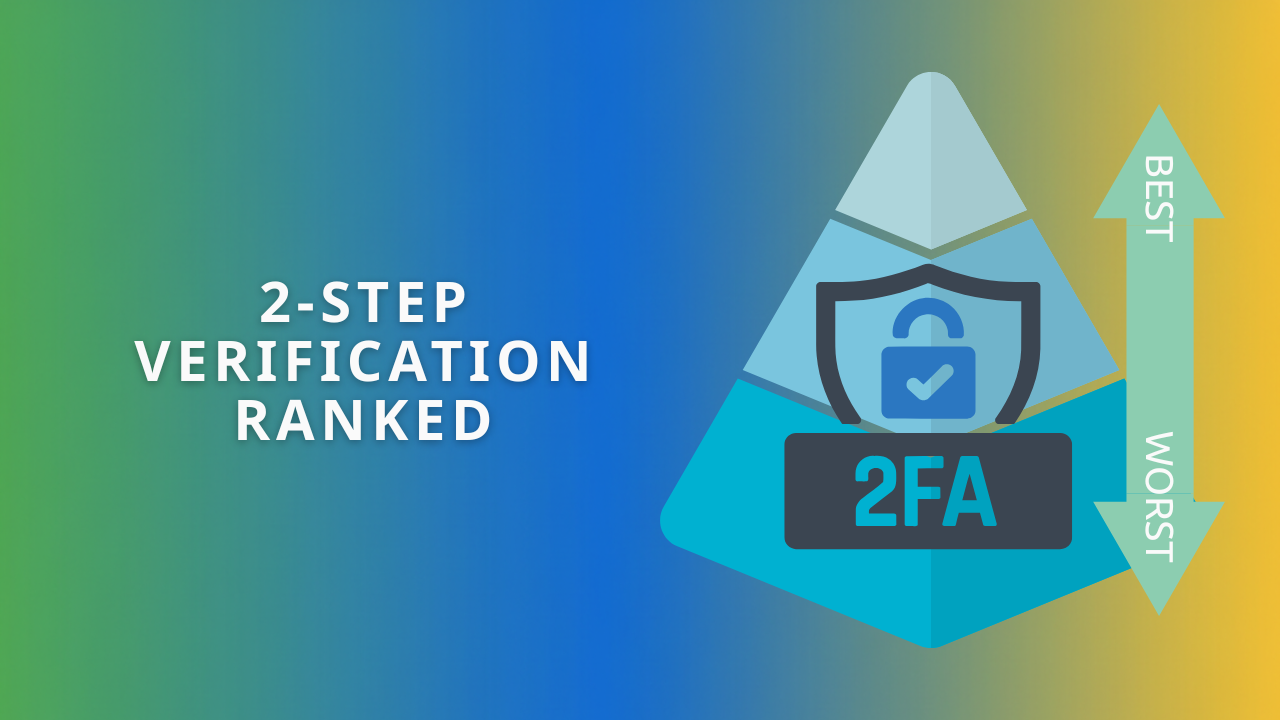
Is Your Business Security Wide Open? Every Type of 2-Step Verification Ranked (Worst to Best)
Most people assume that having any two-step verification turned on makes them safe. But if you are using text messages (SMS), you are relying on technology from the 90s to protect your business in 2026. We have ranked every major verification method from "dangerous" to "bulletproof" so you can see exactly where your business stands—and how to fix it.

How Cyber Essentials Helps You Win Bigger Contracts.
Cyber Essentials isn’t just about IT — it’s about trust. Find out how certification helps your business win contracts, protect data, and show clients you’re a safe pair of hands.
What's the Safest Way to Edit a PDF for Free?
Before you upload a sensitive document to a free online PDF editor, stop and consider the risks. Many of these services can expose your private data. This post reveals the safest way to edit your files for free, using a secure and powerful tool you already have access to.
Do you need antivirus on macOS?
macOS includes strong built-in protections such as XProtect and Gatekeeper. For most MacBook users, that’s enough — but higher-risk teams may still need third-party antivirus.

Why your business needs an IT hygiene rating.
Make IT security visible and easy to trust. Use a practical checklist and a 1–5 hygiene framework in your proposals to show clients you protect their data.
Do you need third-party antivirus on Windows computers?
Since Windows 10, Microsoft Defender Antivirus has been built into Windows. It’s lightweight, effective, and free—making third-party antivirus unnecessary.